
Posted on 18, April, 2024
Last Modified on 01, May, 2024
Shop These Products


No matter what you're selling, product presentation is paramount to attract customers and drive sales. A display case often stands as the core of that presentation. Whether you're a department store manager, boutique owner, art gallery director, interior designer, or collector — you want the best display cabinets for your products or collectables.
Of course, making the right choice might take some careful consideration. That's because so many options are available. This article will help you navigate the intricacies of choosing the perfect retail showcase.
Understanding Your Display Needs
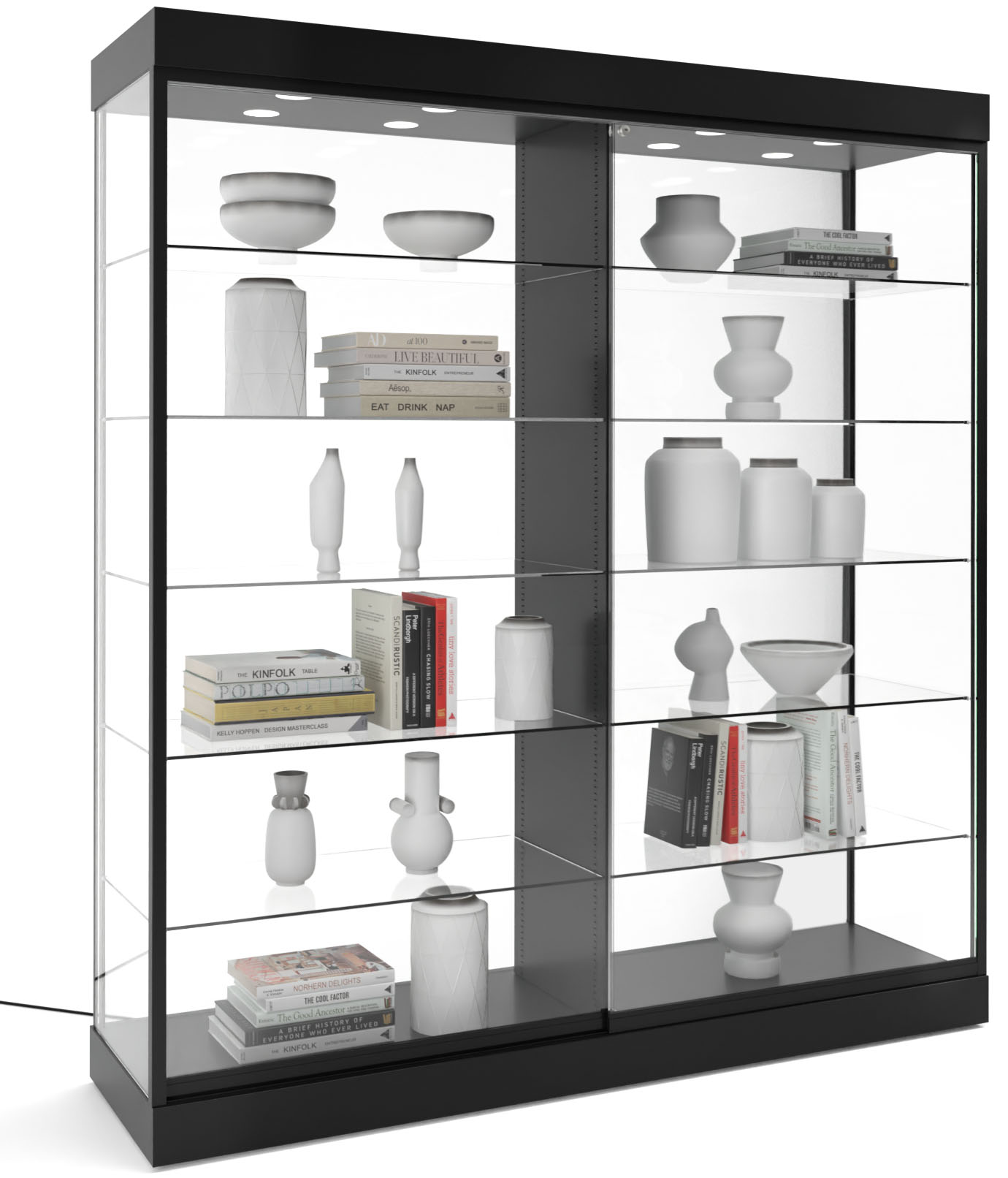
Display cases may seem very simple: a clear box to show off items. But there are many different choices to make regarding both form and function. The specific requirements will depend on the nature of your business, product types, space constraints, and desired aesthetic appeal.
Do you want to showcase a single item? Too big a case and your item may look small and insignificant. Conversely, do you plan to show off a large item? Too small a case makes an item look cramped and wedged in. But the right size case — with some "breathing room" — enhances an object's perceived value and desirability.
Also consider the importance of flexibility and scalability to accommodate changing inventory and promotional displays. For example, point-of-sale store counters are a great way to put merchandise right where customers pay for their purchases. At the same time, it's easy to overload them by jamming in a little bit of everything. As we stated above, overfilled cases have an off-putting effect on customers.
So, think about the size you need based on both present and future needs. Consider stock rotation and the possibility of adding more cases as needed. Always look toward the future. Over time, inventory changes. Unexpected promotional opportunities will need a home, too.
Design and Aesthetics
There are many different types of display cases and materials — including glass, acrylic, wood, and metal. There are wall mounted, free standing, and countertop displays. Each has its own place and suitability for showcasing products. Here's a quick breakdown of some display case terminology.
Vision
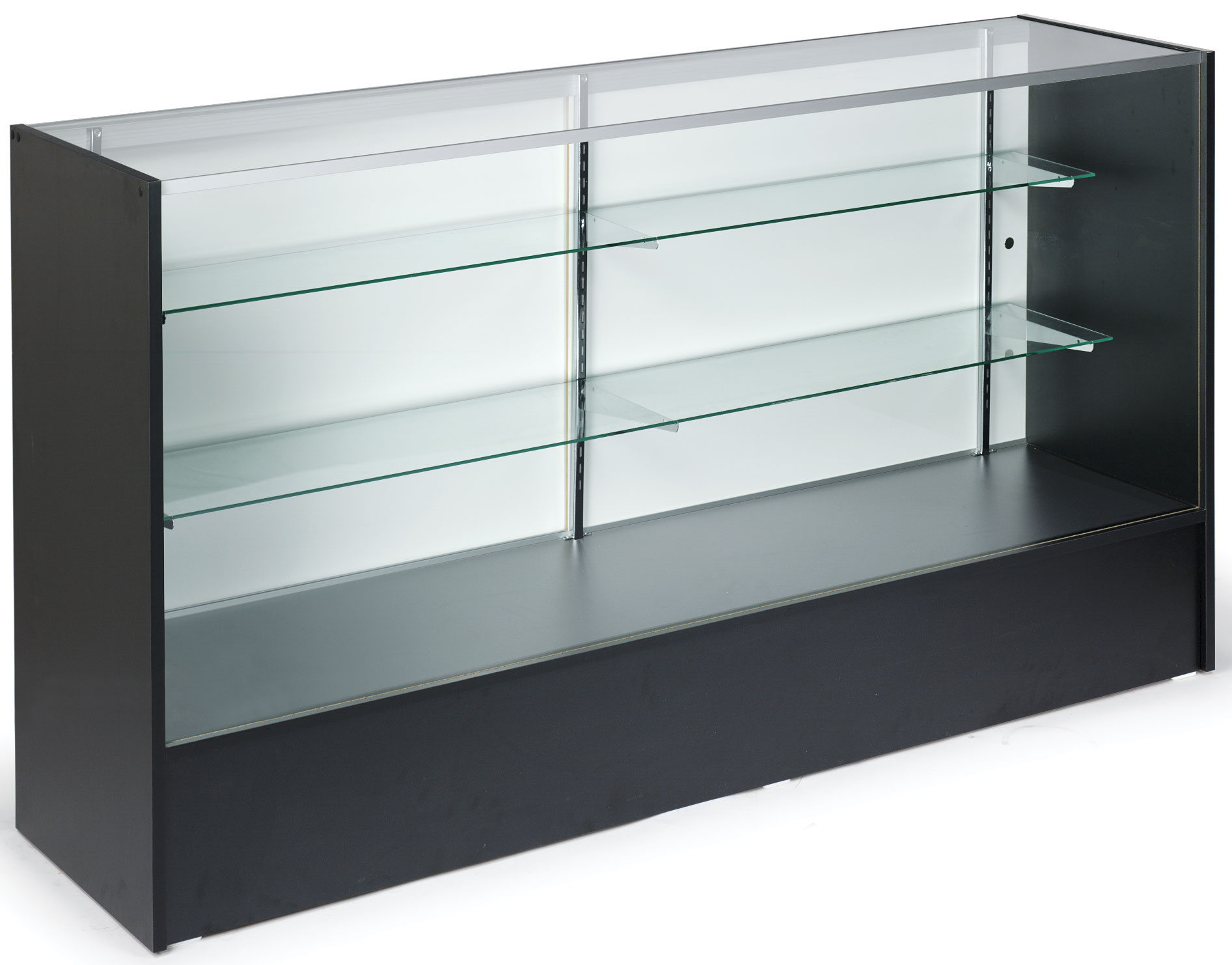
This refers to how much of the case can be used for item display. Common models are full-vision, three-quarter vision, half vision, and quarter vision. Each has its own benefits for display and storage. Read more about different types of display cases including quarter, half, and full vision showcases.
Case Design
This category actually has several sub-factors:
- Pedestal cases typically have a wooden or metal base with a cube-like display case mounted on top. Pedestal cases are ideal for statement pieces, highlighting items, and elevating products higher for easier viewing. Read our exclusive guide on how to choose the perfect pedestal display case.
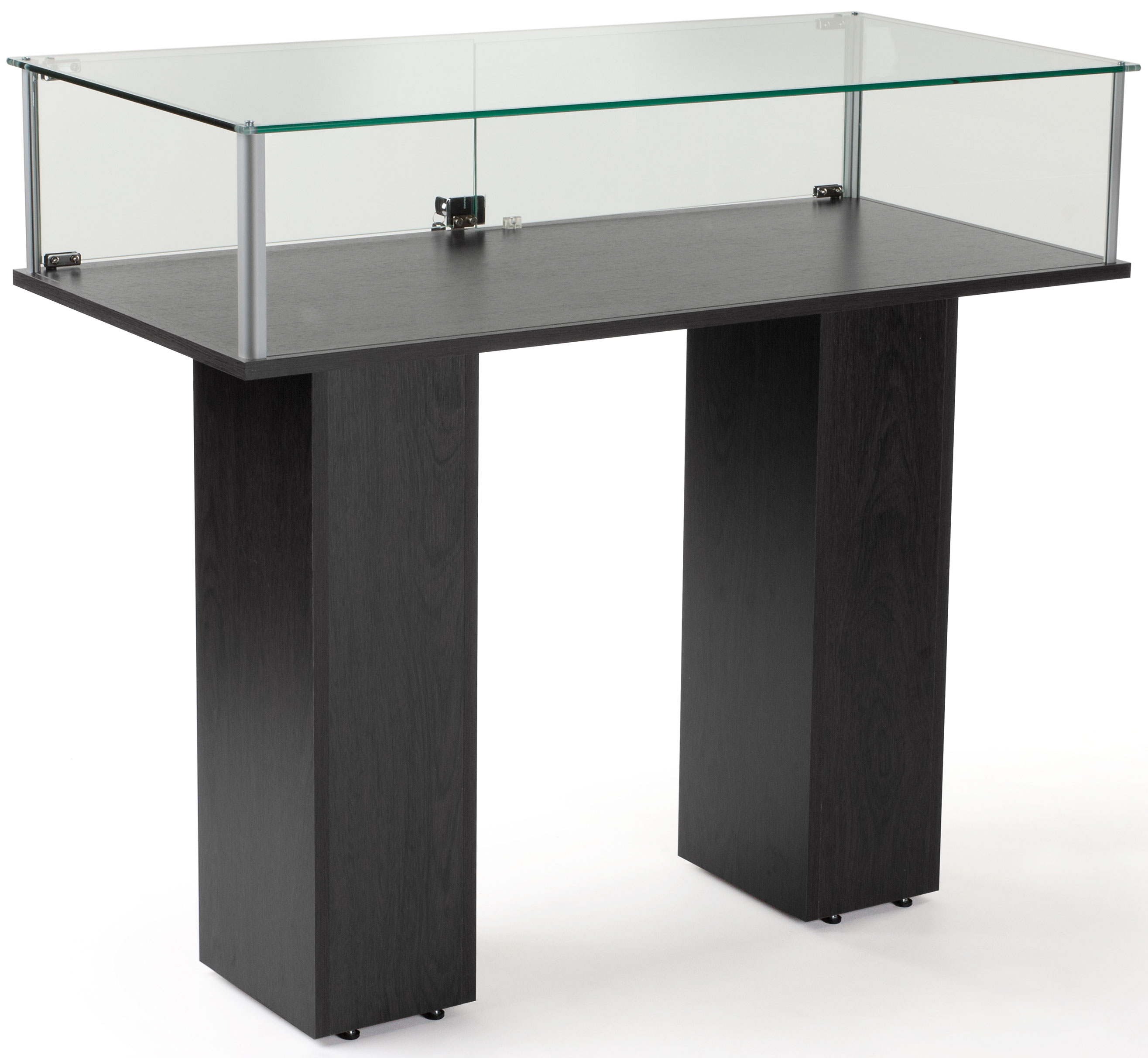
- Retail display counters are typically larger floor-standing cabinets. They can hold more merchandise than a pedestal case. Merchants often use them around checkout areas to display and protect higher value items like watches, art, electronics, collectables, and jewelry. This type of case is found everywhere, including department stores, museum gift shops, school stores, and hobby shops.
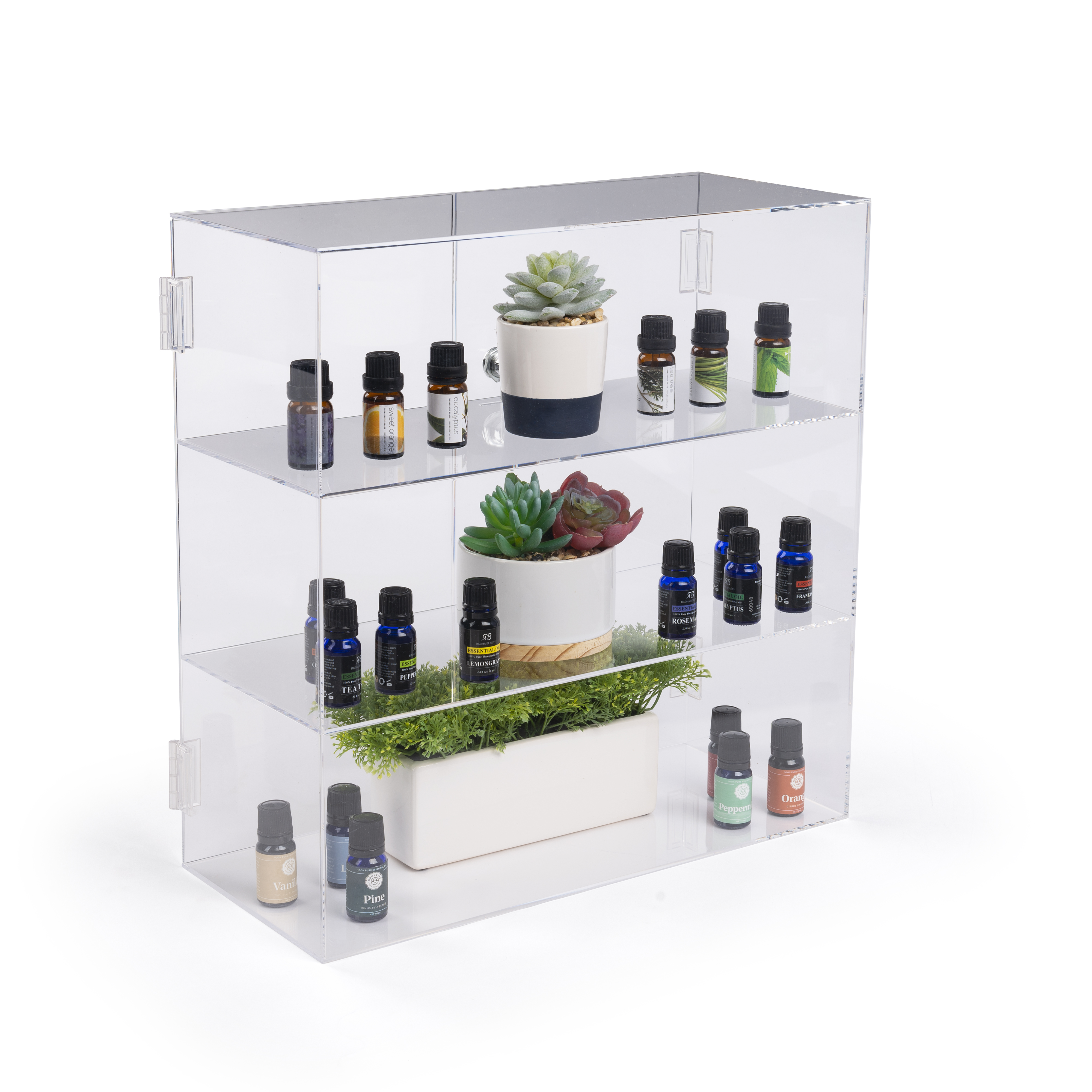
- Countertop displays are for displaying smaller items while they sit on a floor-standing display case. These are often point of sale displays, offering smaller things like earrings, makeup, essential oils, or one-of-a-kind items.
- Merchandise display cabinets are ideal for displaying items such as retail goods, trophies, and collectibles. These floor standing multi-tier shelving units are made to clearly display your prized possessions behind acrylic, recycled acrylic, or glass walls. Some units come with adjustable shelves so that you can further customize your display area and fit multiple-size items.
These cases combine transparency with security features while still creating an inviting display environment with visual appeal. They can incorporate other branding elements and design themes, enhancing brand identity and customer experience.
Size
From six-foot-long retail jewelry display cases to small cases for a single valuable item, there are many sizes available. Consider what design and cabinet size would best fit and complement your decor. And don't forget to consider depth as well as length. The footprint of the case shouldn't obstruct customers or staff movement in aisles.
Bases
These basic store fixtures come in multiple colors, and present the opportunity to print branding logos on their fronts. Wooden bases are an elegant and affordable option, and look good in museums as well as retail shops. They may be made from high-end, solid woods, more affordable laminates, or MDF material. They are often heavier and more stable than other base types.
Metal bases have a modern, industrial look, being robust yet still lightweight. They can be an enclosed design, such as a solid cube, or an open framework. And there are glass cabinets with no separate base at all — just clear glass panels, from bottom to top.
Case Material
When talking about the clear case material itself, there are really only two viable options.
Acrylic (plexiglass) cases are popular, providing good clarity while being more affordable than glass cases. Recycled acrylic is becoming more available, helping reduce environmental footprints. An acrylic display case has better impact resistance than a glass case. Acrylic display cases are lighter, too — important for traveling displays for trade shows and other events.
Cases made from glass panels may be frameless, with the panels glued together, or designed with framing for greater support. The glass can be less-expensive plate glass, or stronger tempered glass for greater protection. A glass display case has a more elegant look, and they're also easier to clean than plastic cases. Glass is more scratch-resistant, and offers slightly more UV radiation protection than many plastics.
Lighting
A nice display case is already a centerpiece. With integrated lighting, it stands out even more. Nowadays, almost all lighting is done with LEDs, reducing heat and energy costs while raising efficiency and placement flexibility. Here are the typical lighting options:
- Overhead spotlights guide viewer attention to specific items — a common feature of jewelry display cases.
- Interior lighting can be from below (uplighting/bottom-lighting), which is very effective for artistic items. It enhances the object, especially if the object is transparent or translucent.
- Base and side lighting distribute illumination all around the case, casting soft diffused light on objects. It gives a greater sense of depth and dimension, and is sometimes employed in colors to evoke moods and themes.
Functionality and Accessibility

When evaluating features, consider other options you might need. Adjustable shelves are great for handling varying merchandise, letting you set display height based on what's being displayed. Will you need locking mechanisms? For expensive items, it's almost a necessity. Accessibility for both staff and customers is another concern. Will only staff access what's in the case, or will customers be allowed to pick out and handle items themselves? The answers help define the type of lockable case you choose.
When planning to install display cases, give some thought to optimizing your space and the store's traffic flow. Crowded and jammed retail spaces reduce customer satisfaction. The goal is to maximize product visibility while ensuring ease of browsing.
Wall-mounted units, in most applications, are accessed from the front and locked to prevent damage and theft. Countertop displays are usually rear access, and may be lockable if needed to secure merchandise.
Don't ignore the synergy of integrating complementary fixtures such as retail checkout counters and point-of-sale displays. The combination helps to increase customer impulse purchases. A counter with a half- or three-quarter display case might be used to hold the checkout equipment. But try topping that with a countertop display or two, close to the register, with merchandise targeted at impulse sales. It's a "combo of combos" that often boosts sales.
Durability and Maintenance
For static, non-moving cases, good visibility and ease of cleaning may be your only goals. A glass case with a wooden base makes for a solid, highly visible display to show off merchandise. Such cases should last for many years in retail environments.
But if those cases are going to be moved around, that's another story. Make sure to select materials and finishes that offer durability and resistance to wear and tear. For example, trade shows and art festivals are notoriously hard on display cases. Many vendors choose cases with lightweight metal bases, combined with acrylic panels, for trade shows. Such cases provide:
- Easier packing
- Lower shipping costs
- Reduced risk of breakage
- Greater ease in setups and loadouts
And there is still more to consider. Will the case be placed in sunshine? If so, UV protection is a must to prevent loss of color and bleaching. Temperature control and humidity regulation may also be needed to preserve the quality and longevity of displayed items. For many retail items this will not be a concern. For delicate items and collectibles, however, extreme temperatures and humidity levels must be counteracted.
Finally, there is the question of assembling display cases. Do you or your employees have the skills to handle this? Some display cases sold by Displays2go arrive fully assembled, saving time and energy when they're delivered. For many businesses, this can be a welcome salvation.
Showcase Examples
To bring together all these points about display cases, let's look at some specific examples.
- A 72" retail display case with LED side lights built in to showcase items. It comes with two adjustable tempered glass shelves as well as sliding tempered glass doors with a push-in lock. Built-in floor levelers allow you to adjust the cabinet over uneven floors. It's ideal for showcasing jewelry, collectibles, or other high-end merchandise. And it arrives assembled.
- A hybrid design, 45" case that combines several elements to give it a distinctive style. It has a full-vision glass top with 15" of clearance. A middle-tier wooden-finished section adds a classic look and hides the two locking drawers for securing merchandise. The lower base section framework, made from steel, adds openness and a modern look while helping reduce foot-traffic damage.
- A glass display case that’s perfect for someone who needs a portable solution. It has seven top and side LED lights and locking hinged doors. The tempered glass and aluminum frame reflect strong, quality construction, and the floor levelers keep it stable. The wheeled transportation case lets you move and protect the cabinet without worry. It's a great case for tradeshows or portable exhibitions that's equally at home in a retail store.
The Case for Display Cases
Whether you're showing off one action figure or dozens of Rolex watches, Displays2go has a case that fits. From retail spaces, trade shows, and museums to dens and living rooms, there's a display case for everyone.
Our products are made to provide the best display and merchandising solutions for businesses at any stage. It’s our mission to help you connect with the world and build your brand with products personalized to your needs. To read more about display cases and other products, check out the articles, guides, and spotlights on our resources page.